

Please scroll to view the induction






Health and Safety Induction
Please scroll down


Section 1
Introduction



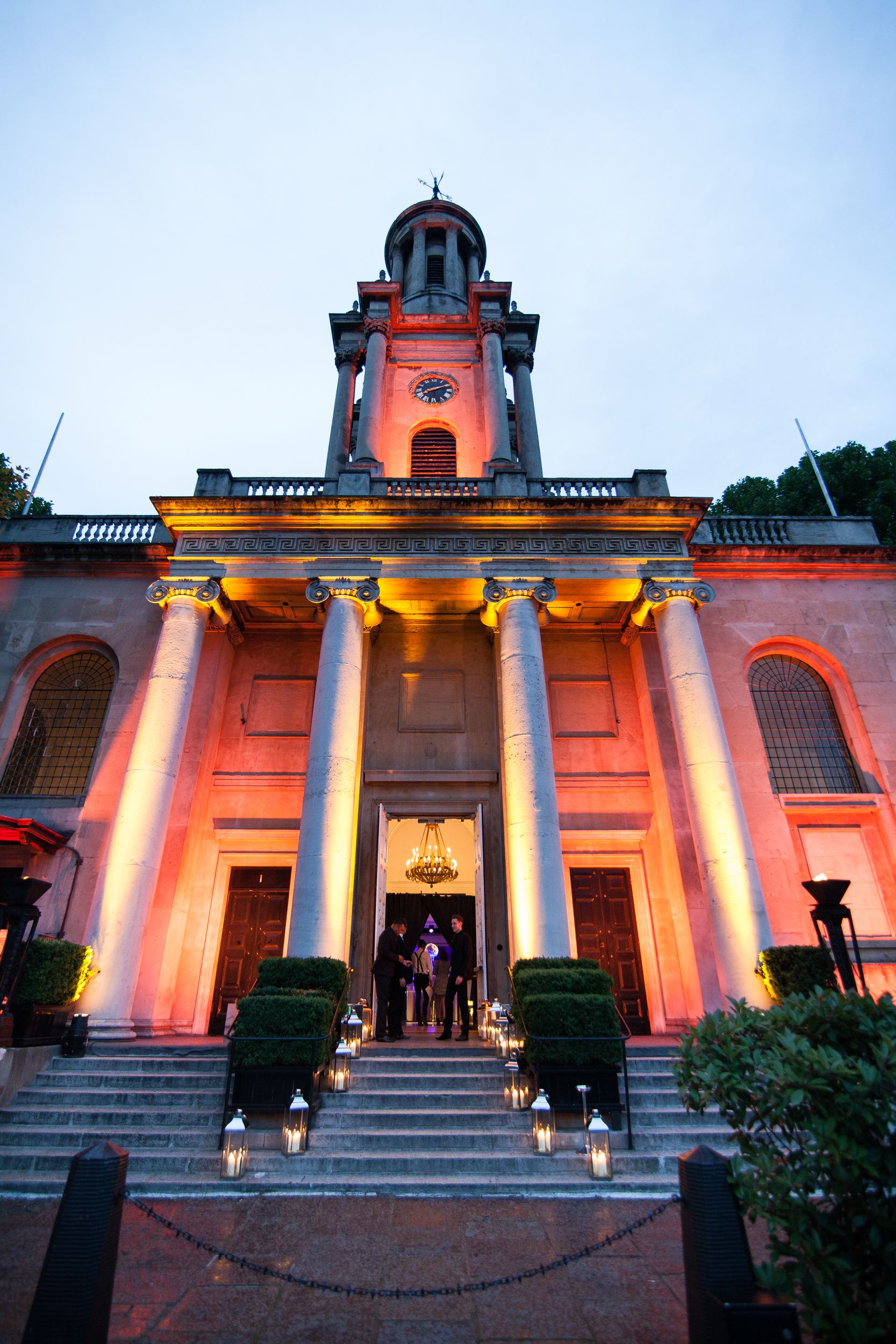

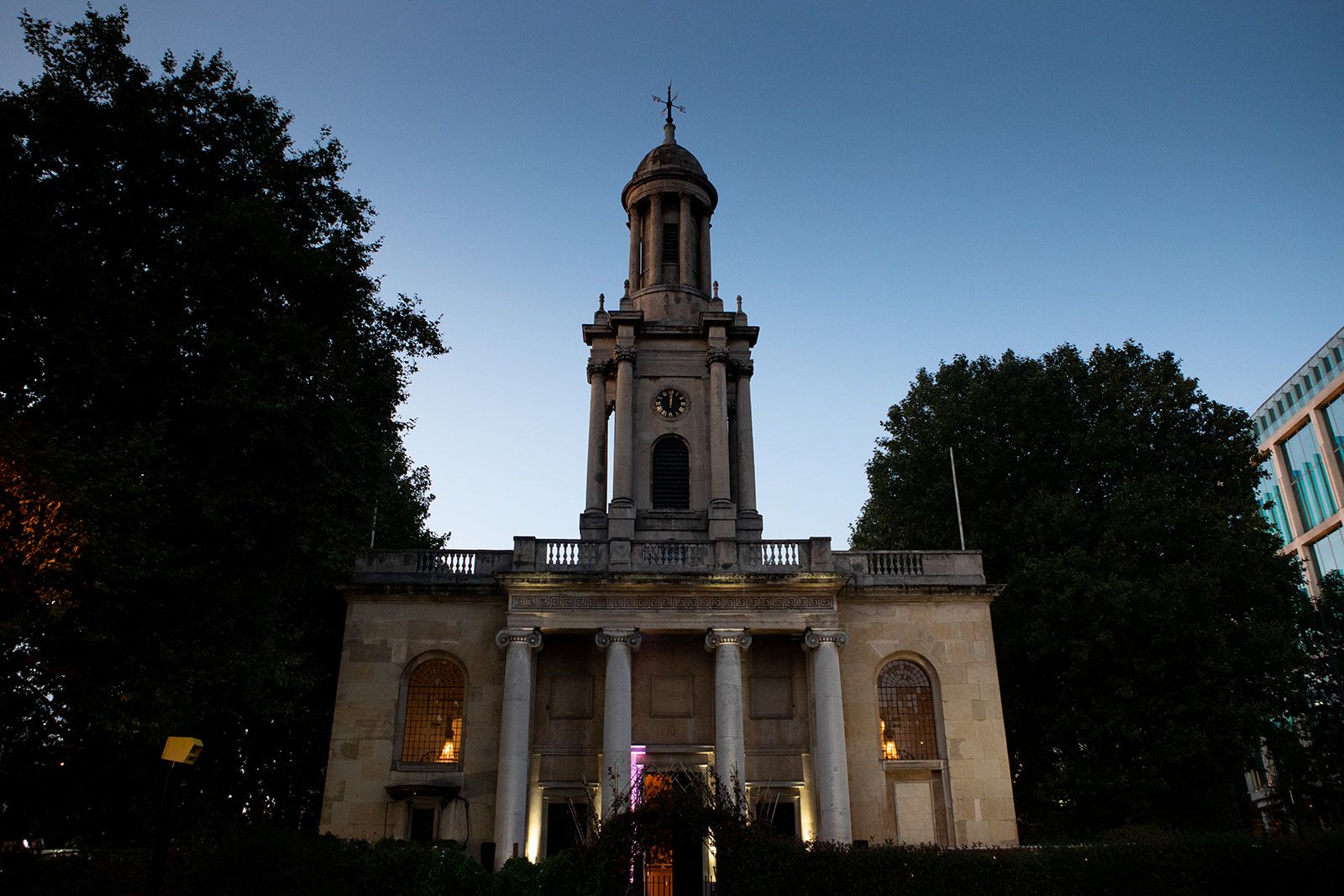


One Marylebone has been hosting unforgettable events since 2008 and has gained a reputation as one of the most sought-after London event spaces.
Beautifully refurbished to the original grand designs of Sir John Soane, One Marylebone has attracted clients from all backgrounds. From high-profile brands to private clients, our adaptable spaces offer endless possibilities for hosting events ranging from corporate functions and charity galas to exhibitions, film premieres, and weddings.
This induction includes information specific to working at One Marylebone.
Staff and contractors working at the venue will find key safety information and site rules within this induction.
Health and Safety Statement.
It is the policy of One Events management to promote the highest possible levels of health and safety so as to lead to the avoidance or reduction of risks to the health and safety of all persons who, may be affected by their work activities, and to ensure compliance with all current legislation, in particular the ‘Health and Safety at Work etc Act 1974’.
One Events management makes specific commitments to its employees, temporary staff and contractors with regards working safely, personal safety, care of the environment and being mindful of safety issues when delivering events and services at One Marylebone.
One Events management considers that these issues are the responsibility of the Company’s management team and rank equally with that of finance, marketing, human resources, and commercial issues.
The Managing Director of One Events takes responsibility for the implementation of the Company’s Health and Safety Policy.
Section 2
General Health and Safety






- ...carry out any tasks for which you have not been properly trained or that may be a risk to yourself or others.
- ...come to work if under the influence of alcohol or drugs, no drinking alcohol or use of any drug unless under medical advice and with the knowledge of the company's management, during the working day. Any person comping to work under the influence of drink/drugs will be asked to leave site immediately.
- ...operate or use any equipment, tools etc. for which you have not been properly trained or that may be a risk to yourself or others.
- ...use defective, faulty or incorrect equipment, tools, nor leave any of them unattended and working where they could be in danger to others.
- ...leave tools or material in fire exit routes or doorways.
- ...interfere or By-Pass any safety devices or automatic cut-out switches.
- ...work or walk anywhere that is unsafe nor take chances - do NOT let familiarity make you contemptuous of danger.

- ...keep your mind on your work – NO personal stereos or walking around the venue whilst using a mobile phone.
- ... ensure any painting or cutting of set / equipment etc must be completed at a minimum of 3ft off the floor and the floor area underneath must be protected.
- ...keep your workplace clear of rubbish and dispose of your waste material in a responsible manner. Keep aisles and routes clear from obstructions.
- ...bring to the attention of the event team any issues involving Health and Safety.
- ...report all accidents, incidents and near misses as soon as possible.
- ...ensure all electrical work complies with Electricity at work regulations and BS7909 for temporary installations.
- ...ensure that rubber cable protectors cover any cables in areas where staff / guests may walk, whether front or back of house. Such cables must be as discreet as possible. Where trunking has been applied around doorframes, this route should be used. NO tape can be used to secure cables to the floor or walls.
- ...always ensure movement by Contractors and their staff shall be limited to the rooms or areas in which they will be carrying out work and the specified access routes to and from these areas.









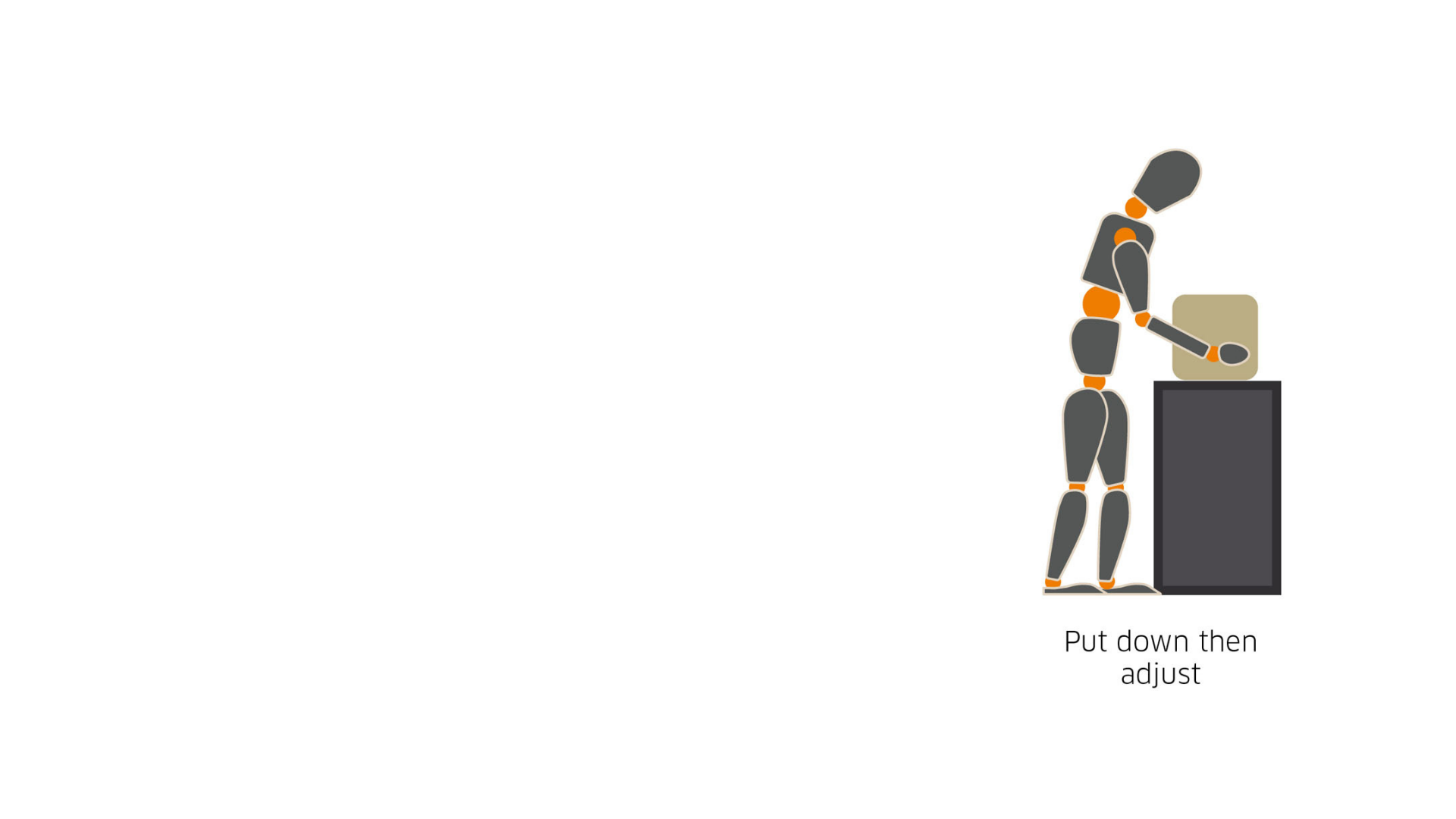
Before you do anything - Stop and Think.
Think about the load, and how you intend to lift.
Position your feet correctly. You should place your feet either side of the load, on a secure and stable stance.
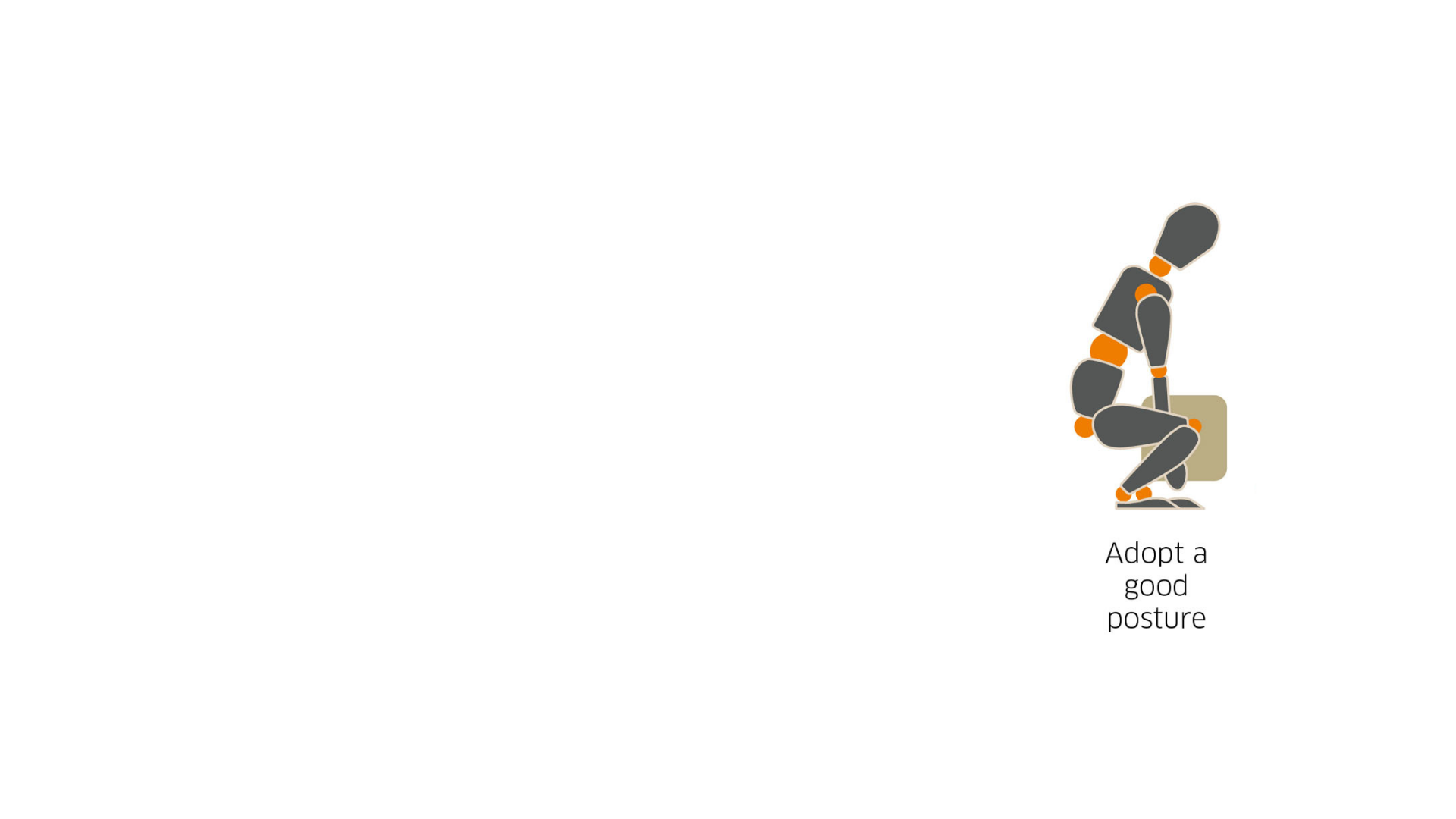
Adopt a good posture - keep your back straight and avoid any twisting or sudden movements.
Get a firm grip of the load - ensure you can hold it securely especially if it is a load that can move.
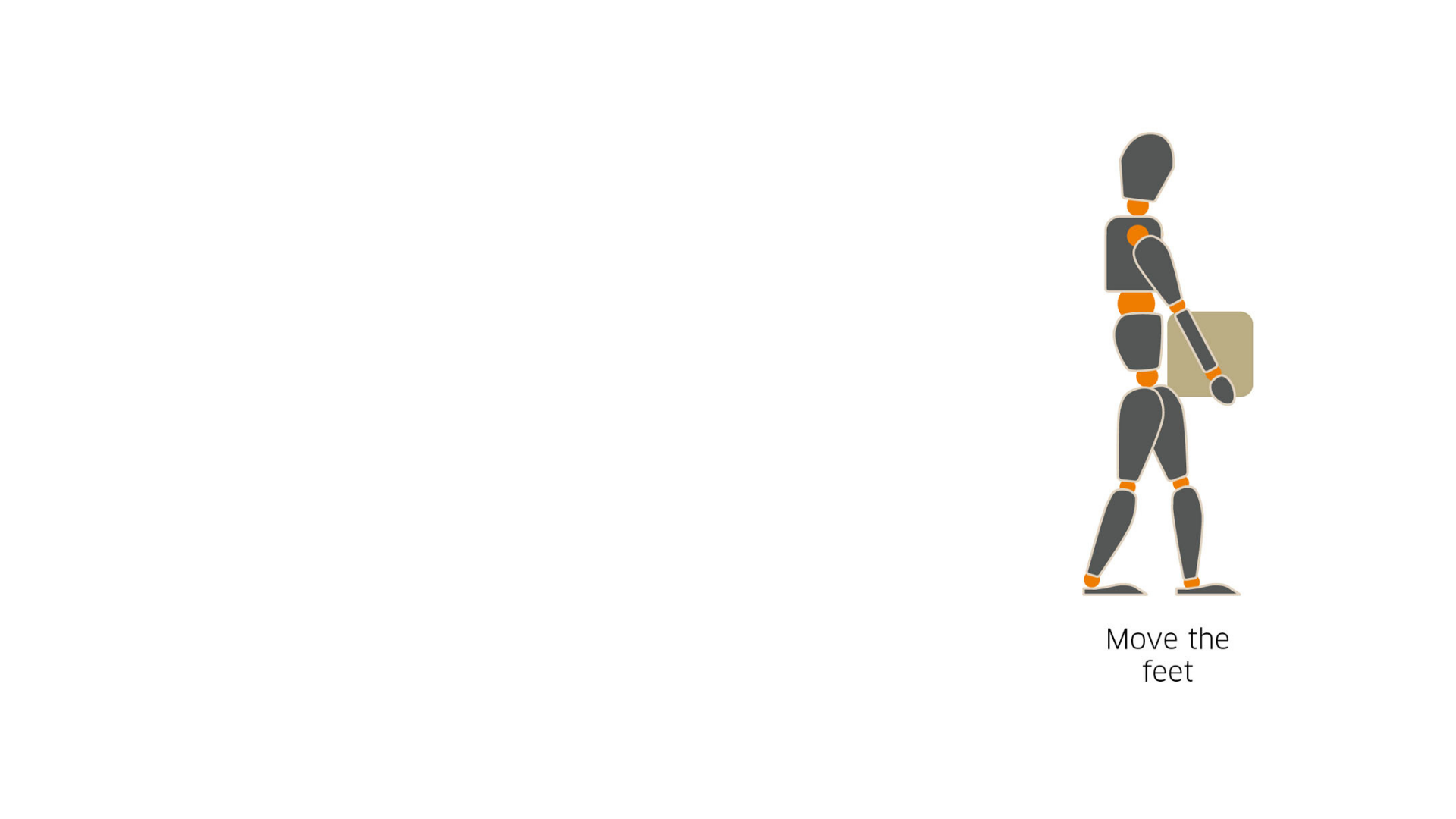
Move with your feet. Do not twist your back to move a load from point A to point B, use your feet to direct and move.
Place the load down onto a secure surface before you move or adjust it. Trying to adjust a load whilst you are still lifting or carrying can cause an injury.
Section 3
Access and Loading



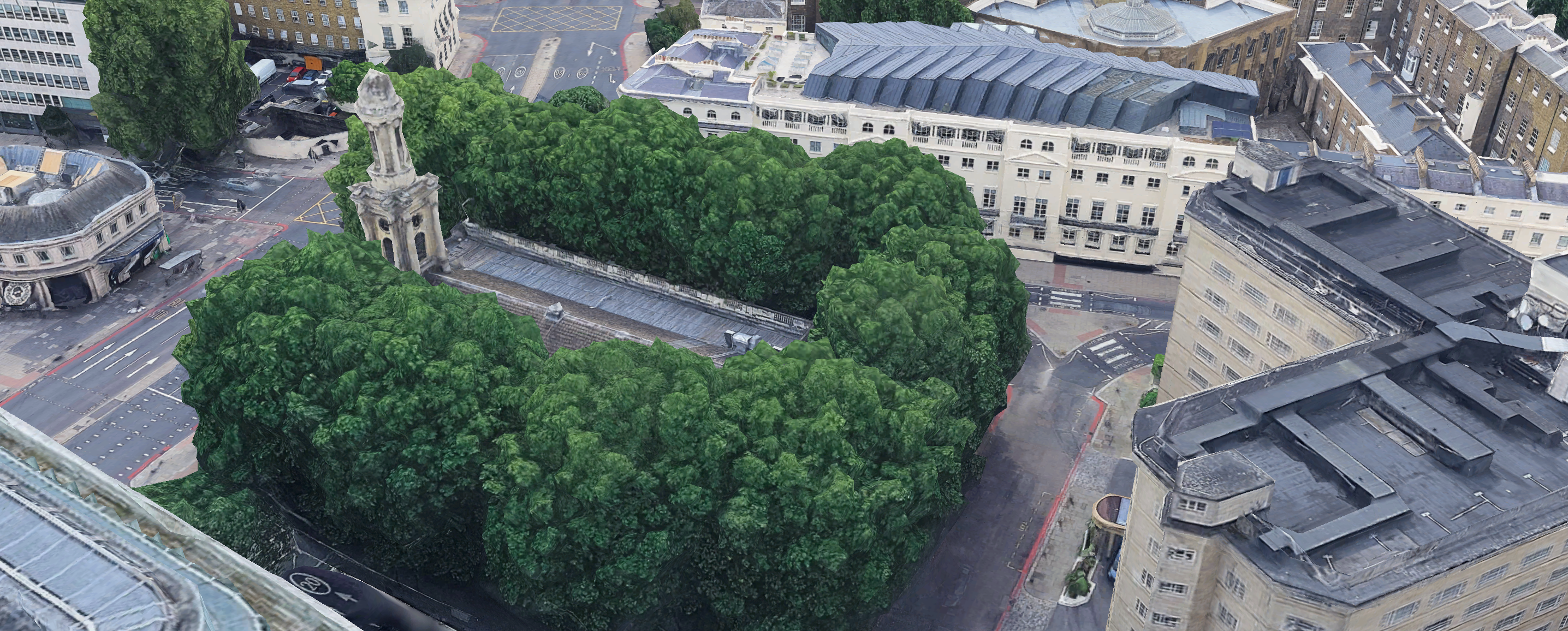

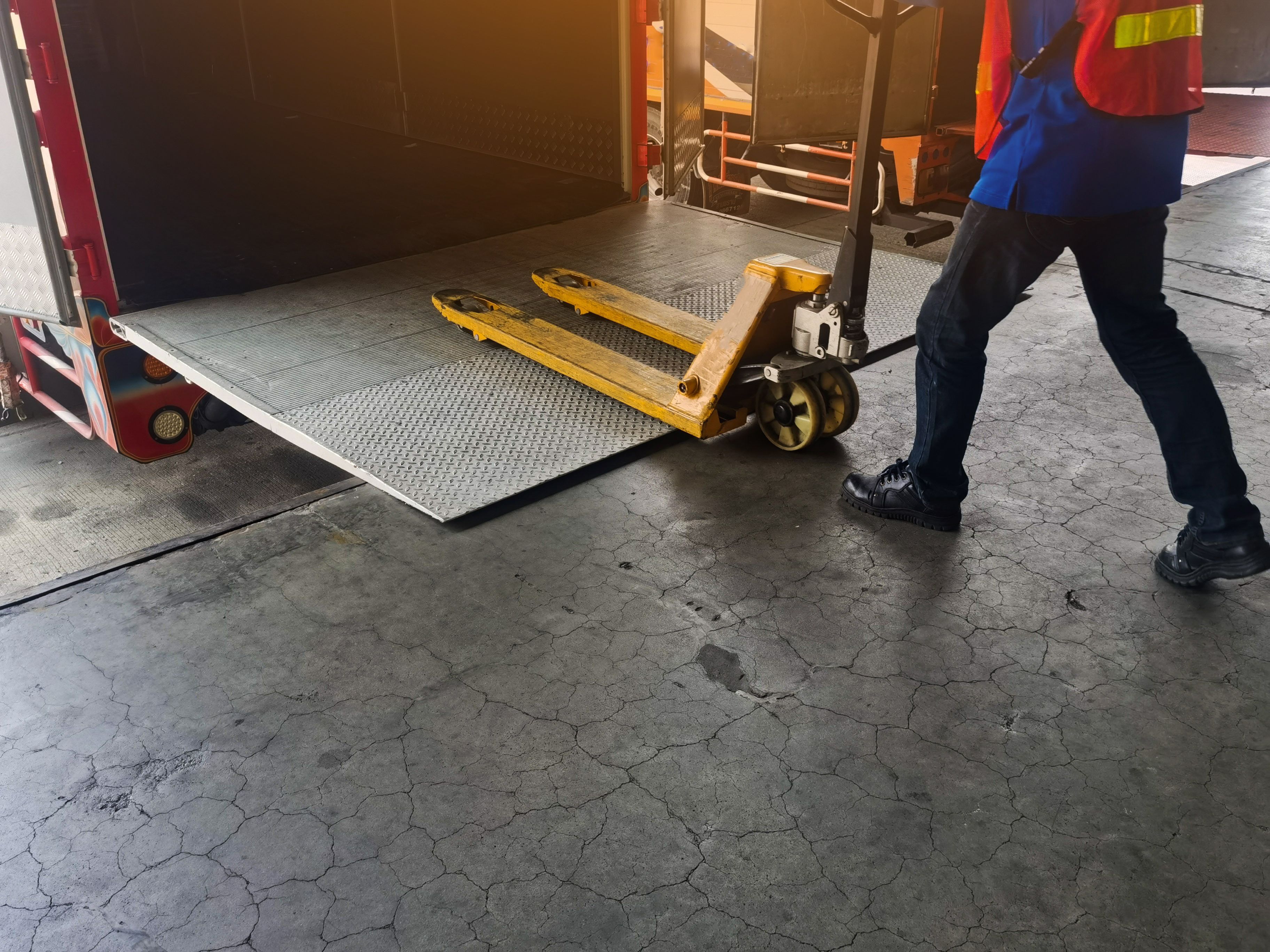


Loading Bay Access

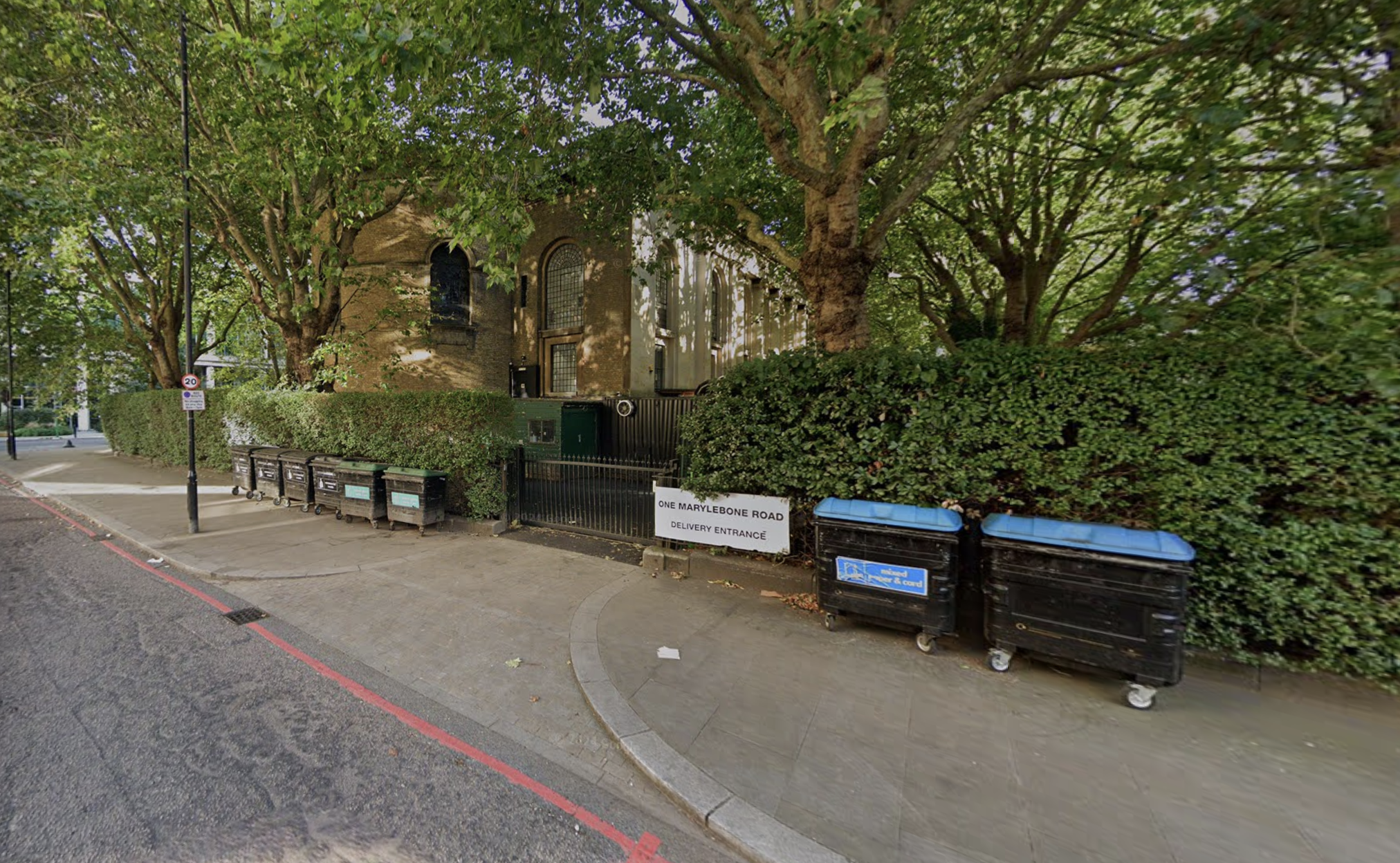
Loading bay Address - 1 Osnaburgh Terrace, NW1 4BL


Copy and paste into W3W app - ///mining.flies.handed or click on the image to open W3W
Copy and paste into W3W app - ///mining.flies.handed or click on the image to open W3W
All Contractors’ staff must enter One Marylebone from the loading bay entrance on Osnarburgh Terace, NW1 4BL (opposite the Melia White House Hotel front entrance), unless otherwise authorised and arranged in advance by the One Events team.
On entering the loading bay all personnel will have to show the verification email sent upon reading and signing this document. Once verified you must sign in and will be given a wristband to be worn at all times, whilst on site, irrespective of any additional client allocated wristbands.
Disabled access is via the ramp on the east of the building into The Vaults. From here the lift can be used to access all floors. You must notify the Event Manager, in advance of the event date, if you are expecting to use the lift for disabled access and return any respective PEEP (personal emergency evacuation) forms. There is a disabled toilet on the ground floor and the Mezzanine of The Vaults.
VEHICLE ACCESS
All vehicles must enter through the Osnaburgh Terrace loading entrance – this is a vehicular one-way system. The loading bay can accommodate 2 x Luton vans or 3 times cars at one time.
The Contractor MUST be on the vehicle schedule to be allowed access to unload / load.
Vehicles should be unloaded immediately and leave site. Consideration in vehicle scheduling should be given in relation to time to unload / unpack flight cases and return back to the vehicle. Please note that no flight cases, cages etc can be stored in areas that have NOT been booked by the Hirer.
There are also opportunities to unload immediately outside the loading bay (on Osnaburgh Terrace) on a single red route – however, please be aware that the venue is not responsible for any fines incurred.

No vehicles should ever mount the pavement around the building or block the entrances / exits to the site.
If the event requires parking dispensation, it is the Hirer's (or their agency) responsibility to liaise directly with the local authority and / or TFL
SITE PLANS
External map

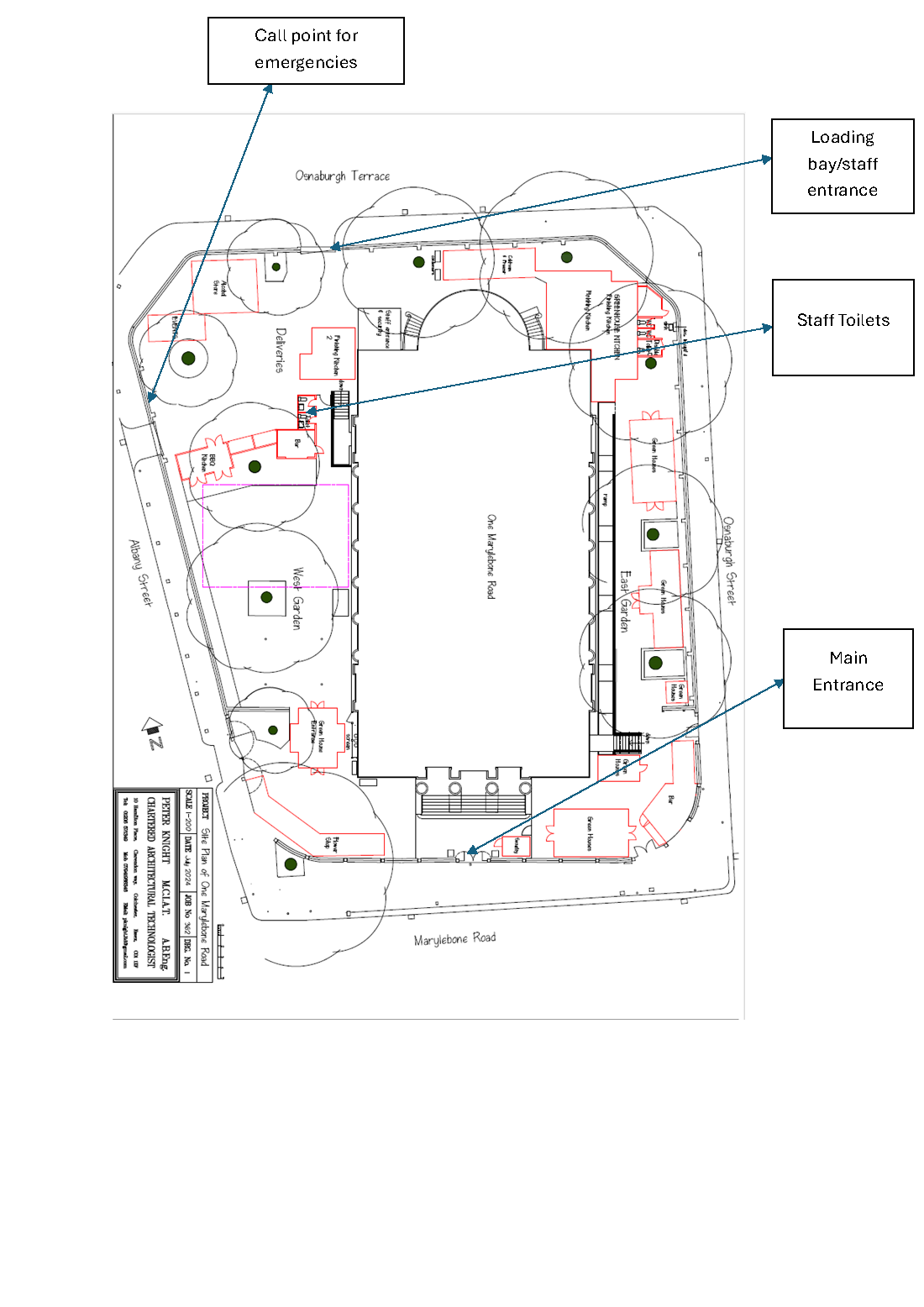
To download a copy of the external map, please click the link below...
https://link.ess-consultants.online/One-Marylebone-External-Map
Ground floor map

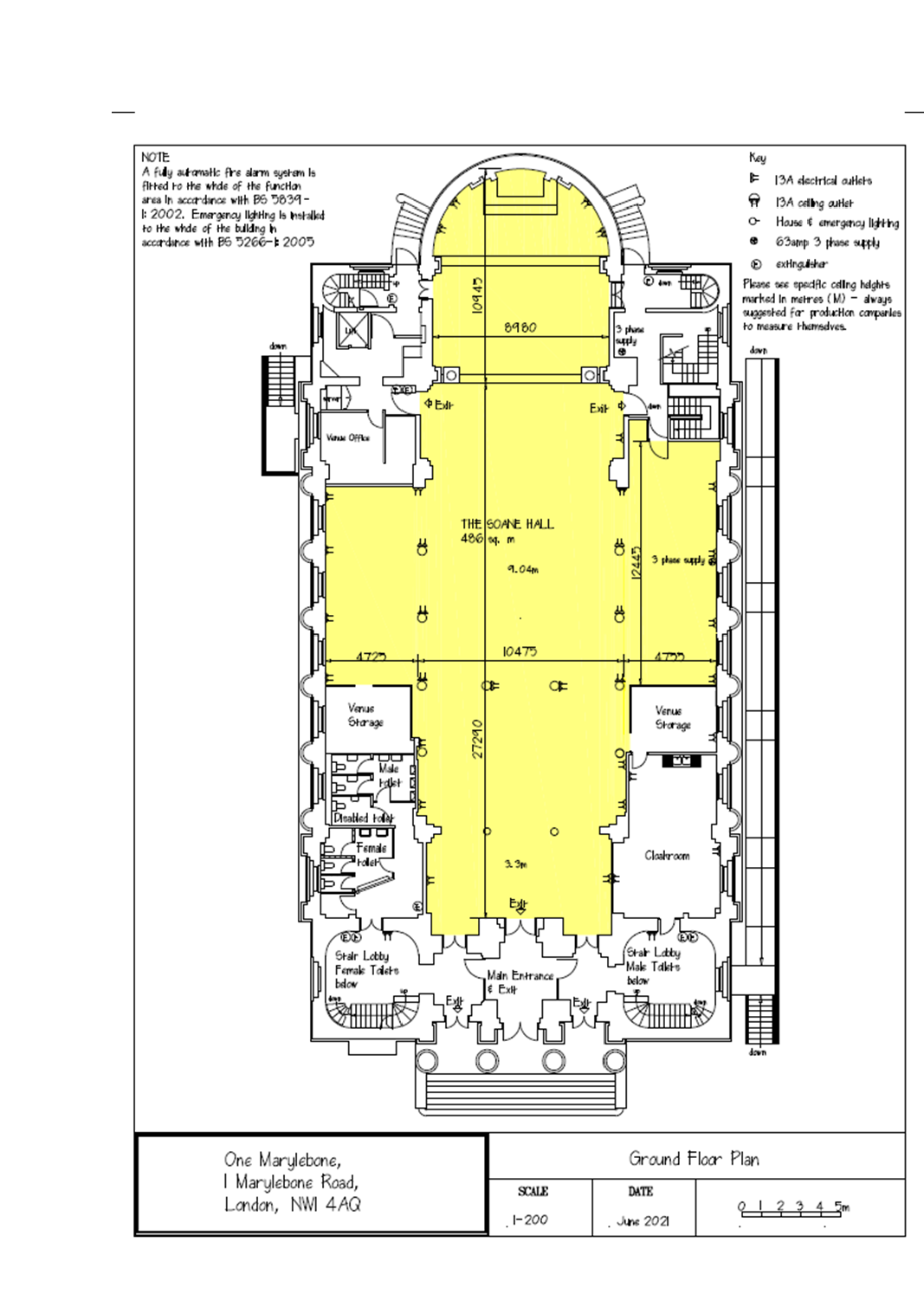
To download a copy of the ground floor map, please click the link below...
https://link.ess-consultants.online/One-Marylebone-Ground-Floor
First floor map

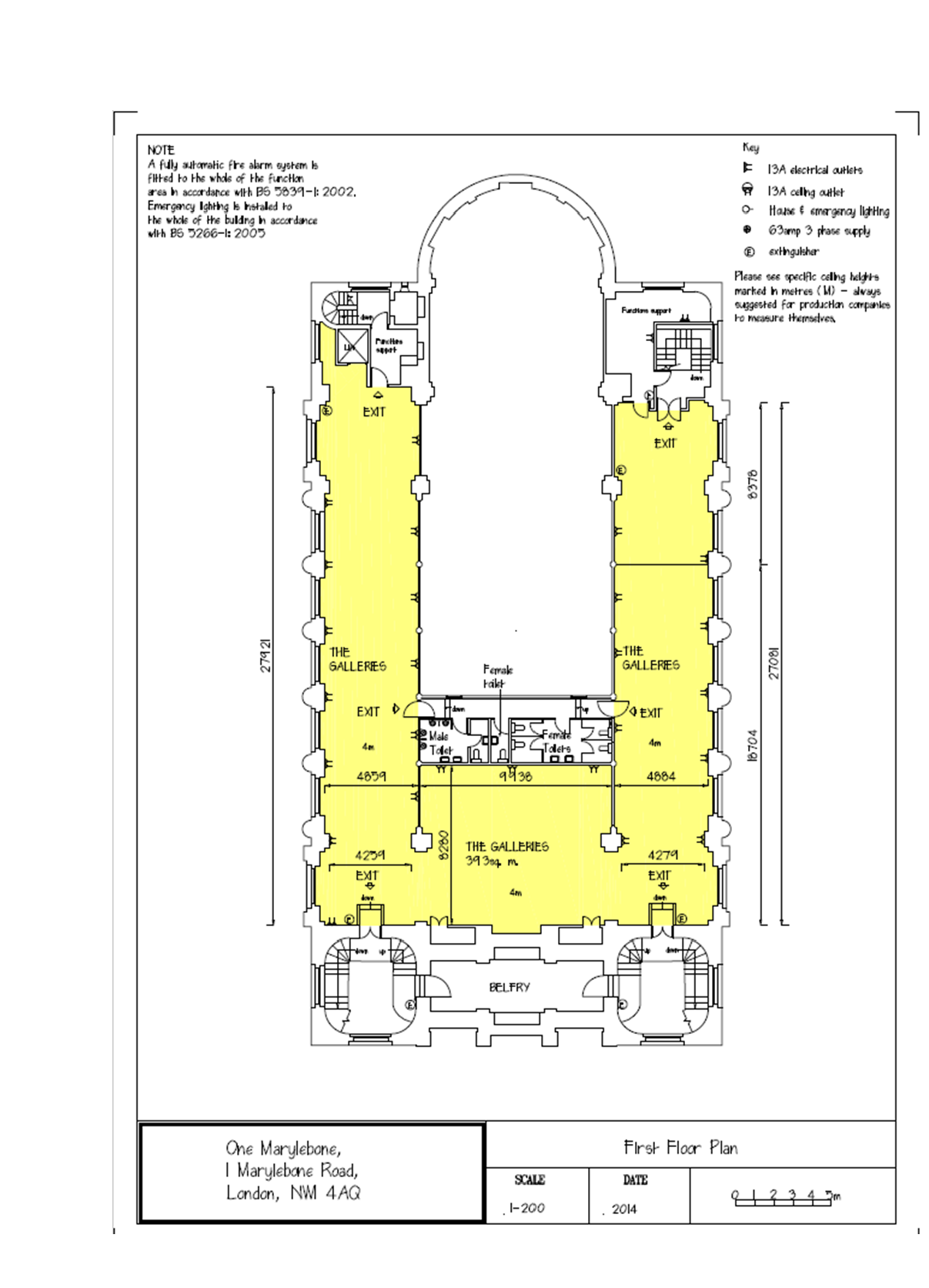
To download a copy of the first floor map, please click the link below...
https://link.ess-consultants.online/One-Marylebone-First-Floor
Vaults mezz map

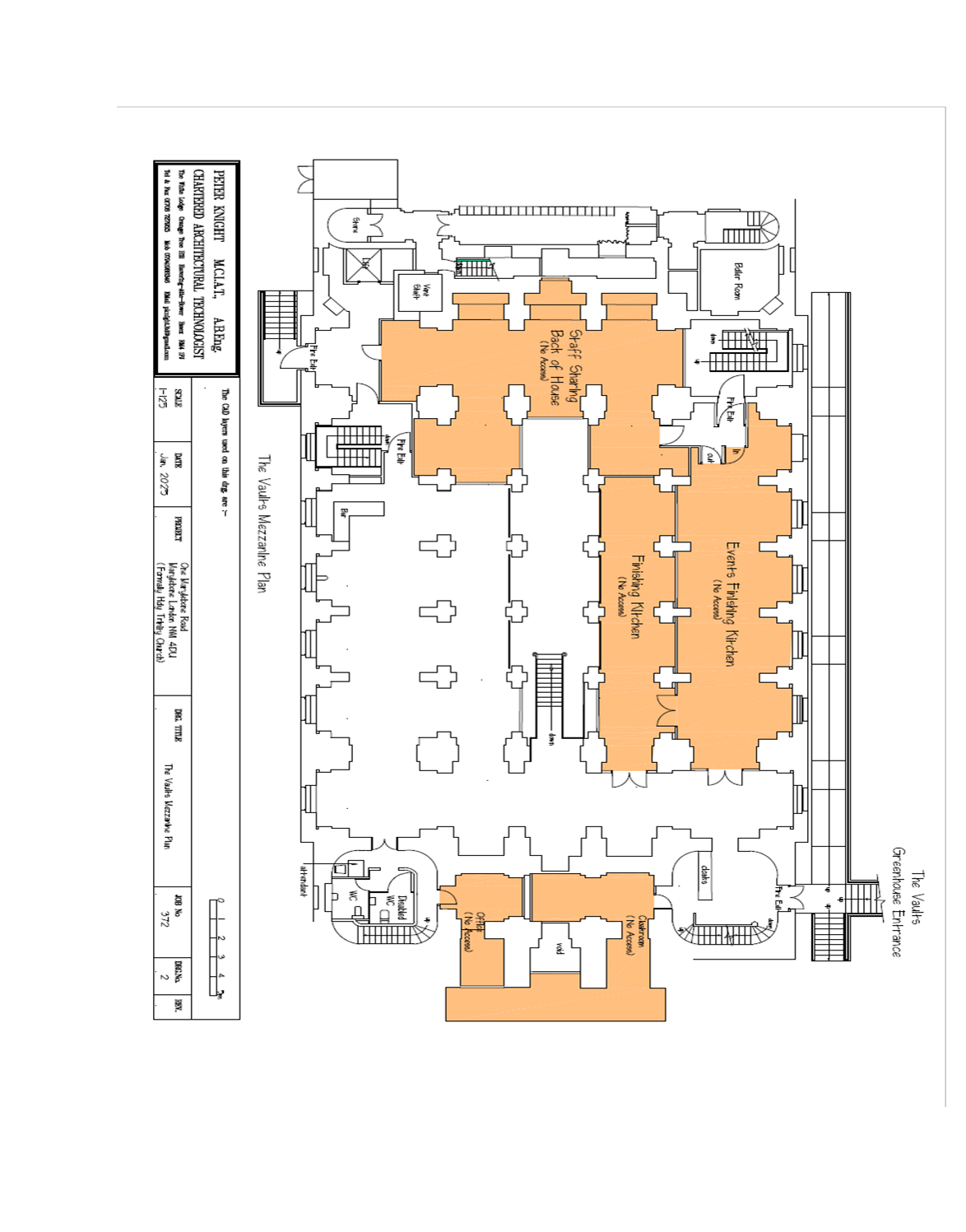
To download a copy of the vaults mezz map, please click the link below...
https://link.ess-consultants.online/One-Marylebone-Mezz
Vaults basement

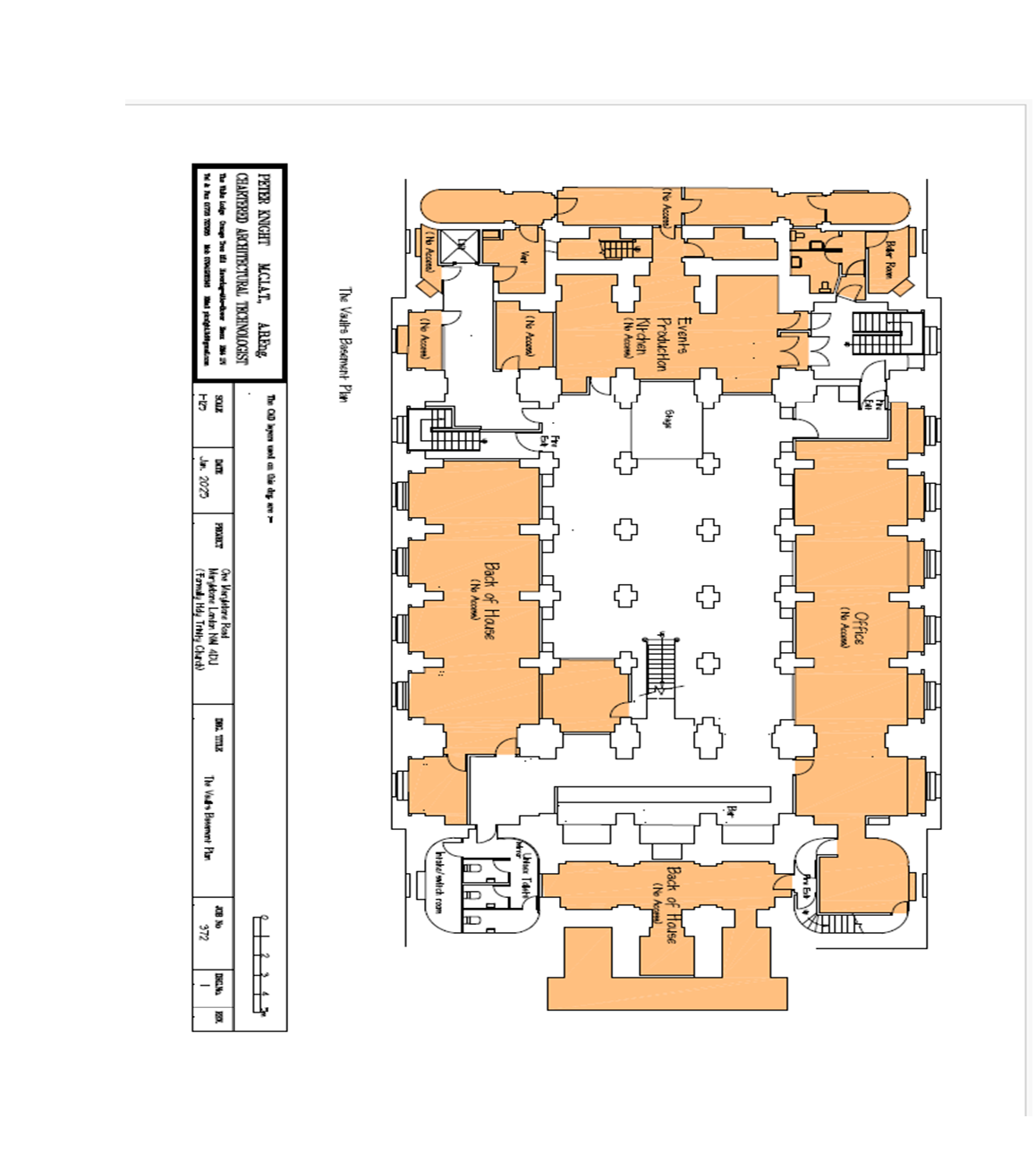
To download a copy of the vaults basement map, please click the link below...
https://link.ess-consultants.online/One-Marylebone-Vaults-Basement
Section 4
Emergency Arrangements


When an emergency arises in a building in which people are present, the primary need is for those people to be able to quickly escape to a place of safety.
Being prepared will greatly increase the likelihood of the emergency procedures being effectively carried out. It is vital that you are prepared at all times.
These procedures have been prepared for One Events Ltd who occupy the premises at 1 Marylebone Road NW1 4AQ London. The property is fitted with automatic fire detection and warning systems.
The property has been built in such a way as to protect the people inside if a fire breaks out and to prevent fire from spreading rapidly.
All Employees, Contractors and Visitors must be aware of what to do in an emergency. A fire action notice has been provided adjacent to each fire alarm call point.
Means of escape
In the event of a fire, you will need to be able to escape safely and quickly.
It is vital that all persons are aware of the means of escape from the building and staff must be shown the layout of the building when first joining the company.
A record is maintained of training being completed.


The escape routes are indicated with the appropriate 'Fire Exit' signage. Emergency lights are installed in the building, and they are periodically tested to ensure they switch on automatically in the event of an electrical power failure.
The property has a fire alarm system installed with automatic fire detection and sound beacons. Fire alarm call points for manual fire alarm activation are installed strategically in the building. The alarm is tested on a weekly basis. You will familiarise yourself with the sound of the alarm during the weekly test.

IF YOU DISCOVER A FIRE
- Immediately operate the nearest ‘Fire Alarm Call Point’ by activating the button on the front.
- Leave via the nearest exit.
- Call the Fire Service on 999. Tell them the address, 1 Marylebone Road NW1 4AQ London - Wait for it to be repeated back
- Only attempt to tackle the fire if it is small and the appropriate fire extinguishers are accessible, and you are competent to operate such fire-fighting equipment.
- Go to the desginated assembly point:
BACK OF WEST GARDEN KITCHEN/ ALBANY STREET
ON HEARING THE FIRE ALARM
Immediately stop working and leave the building via the nearest Fire Exit and report to the person in charge of the ‘Assembly Point’.

BACK OF WEST GARDEN KITCHEN/ ALBANY STREET.
- Do not stop or delay your evacuation to collect personal belongings.
- Remain calm and exit the building by the nearest available fire exit.
- Proceed in an orderly fashion to the assembly point.
- NEVER re-enter the buildings until you have been instructed that it is safe to do so, either by venue management or the Fire & Rescue Service
This information is clearly available within the premises on Fire Action Notices

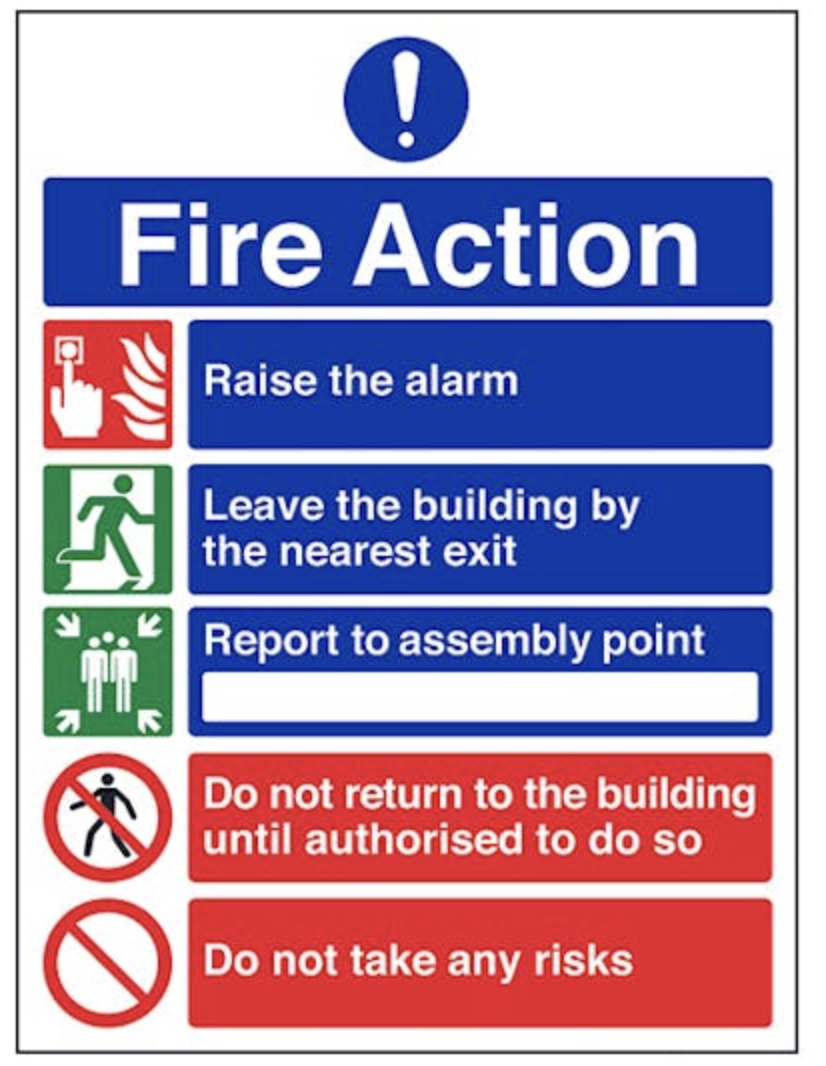
Fire notices are displayed throughout the venue.
Firefighting equipment is provided within the premises. This equipment should only be used if safe to do so and by those trained to do so.
Personal safety always takes priority and, if in any doubt, staff should not attempt to extinguish a fire
The types of equipment available onsite are:

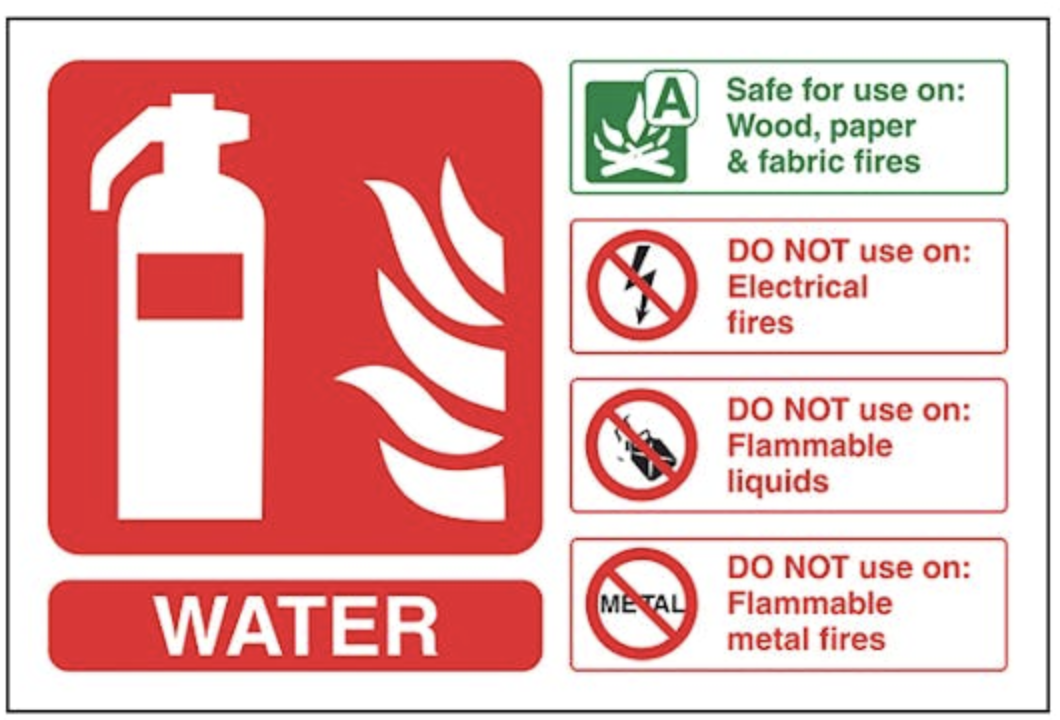

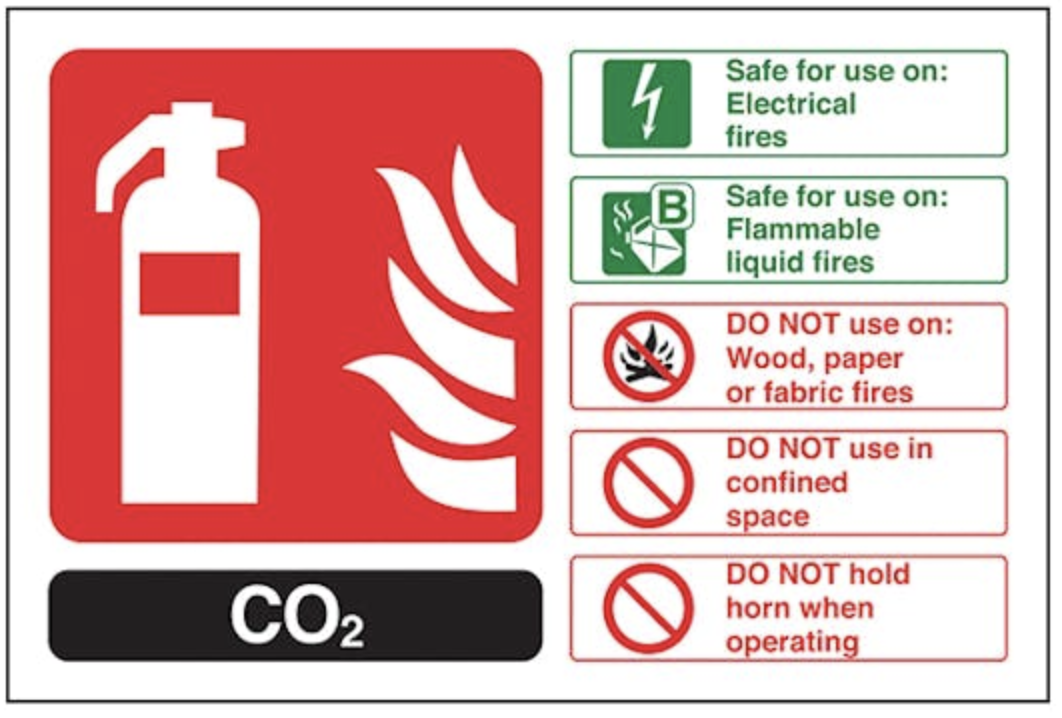

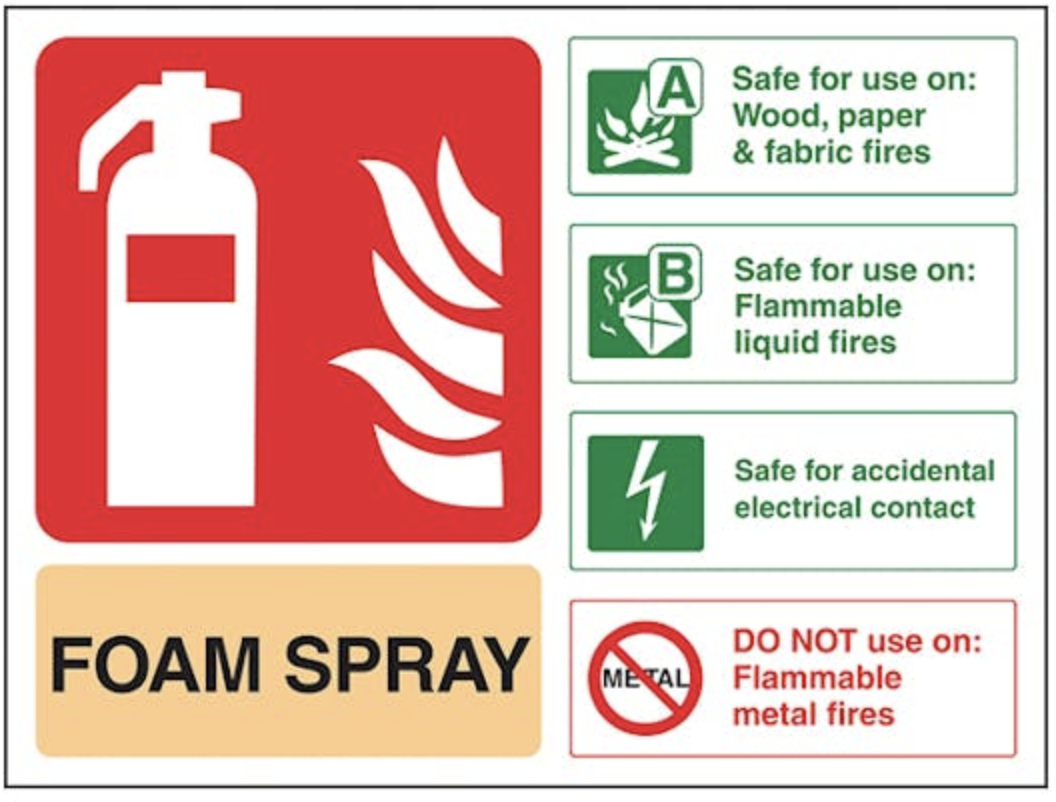

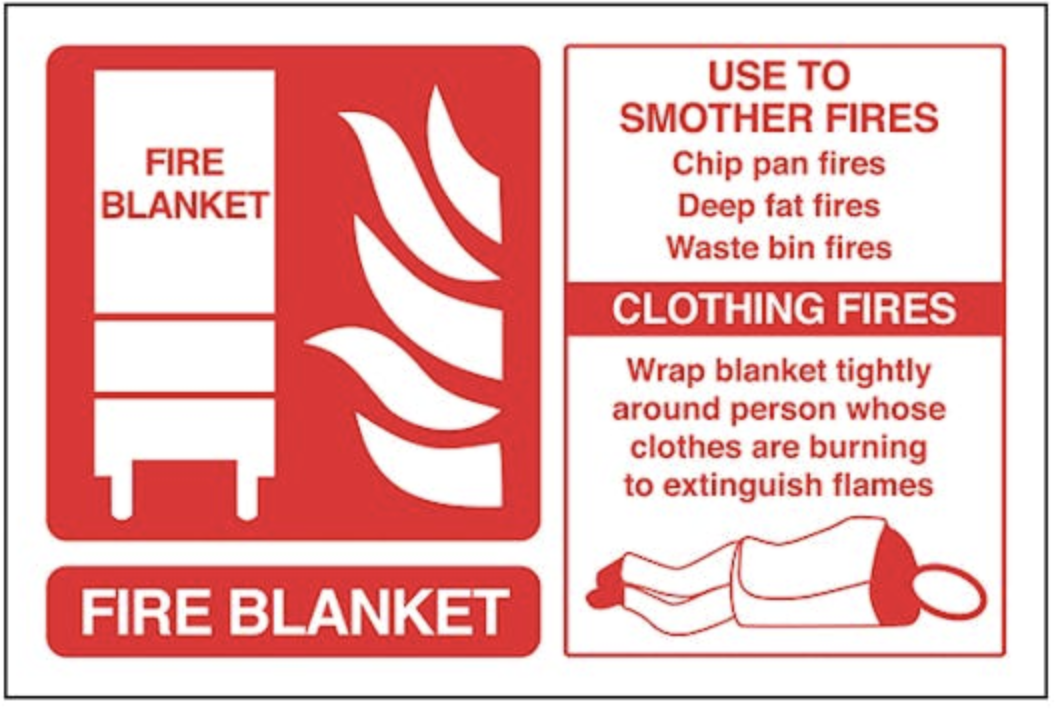
Emergency Gas Shut Off Valve
Provided it is safe to do so, the main gas supply should be immediately shut off when discovering a fire. There are a total 9 Gas Shut-Off Valve Buttons located in the building.
- 3 buttons located in the Green House Kitchen
- 1 button located on your left-hand side when entering the Boiler Room.
- 4 buttons in the Basement Kitchen
- 1 button located in the Carpark Kitchen
Remember only attempt to shut-off the gas if it is safe to do so. Do not take personal risks through delay.

UNDER NO CIRCUMSTANCES SHOULD ANYONE PUT THEMSELVES AT RISK
IF IN DOUBT, GET OUT!
In order to facilitate safe evacuation, responsible persons need to be prepared. The Duty Manager and Department Managers in conjunction with the Facilities Manager are responsible for ensuring that all staff receive adequate training in these fire emergency procedures, fire wardens are appointed and trained, and that a person is appointed to take charge, the ‘Emergency Coordinator’.
A training record is maintained and is updated annually.
Emergency Coordinators
The Duty Manager
- Do not take personal risks through delay.
- Ensure that the Fire Brigade has been called.
- Receive and collate information from the Fire Wardens/Department Managers to ensure the building is clear.
- Ensure the appropriate measures are adopted for any disabled persons present and when pre-prepared, ensure the Personal Emergency Evacuation Plan is followed.
- Set up a control point at the assembly point.
- Ensure a building occupancy log is accessible.
- Authorise re-entry when told safe to do so by the emergency services.
Fire Wardens and Department Managers
- Do not take personal risks through delay.
- In a calm and orderly manner instruct all persons in your area to evacuate by the nearest available escape route immediately.
- Sweep your area, including back rooms and toilets if safe to do so, to ensure that all sections are evacuated.
- Close windows and doors where possible.
- Ensure the Emergency Coordinator is informed of any situations that may affect the safe evacuation of the premises. This individual will be the duty manager.
- Ensure the appropriate measures are adopted for any disabled persons who may be in your area.
- Report to the Duty Manager at the assembly point.
All Persons (Individual Responsibilities)
- Know what action is to be taken on discovering a fire.
- Know where to find fire alarm call points and firefighting equipment.
- Know the layout of the building and the available escape routes.
- Know how to get to the fire assembly point.
- In the event of a fire alarm activation, use the nearest escape route and make your way to the assembly point.
- Do not run.
- Do not stop to collect personal belongings.
- Do NOT use the lift.
- Remain at the assembly point until you are instructed to move or re-enter the property.
Disabled Persons
The Duty Manager and Department Managers are responsible for ensuring the safe evacuation of disabled persons from the building.
For all visitors who may be disabled, arrangements will be made to meet them in a place which enables safe evacuation.
For employees and visitors, whether temporarily or permanently disabled, the Security Manager together with the Facilities Manager will ensure a Personal Emergency Evacuation Plan is prepared and persons are trained in carrying it out.
Visitors and Contractors
All visitors and contractors must know what to do in the event of an emergency. It is therefore recommended that all visitors sign in at reception and are shown a copy of the emergency procedures and site rules, a copy of which can be kept in the signing in file.
Contractors undertaking high risk activities such as work involving heat or naked flames must be carefully controlled by a ‘permit to work’. It is important to ensure no combustible materials are present and that adequate fire precautions are used. A permit to work system is a documented safe system of work that is used to control high risk activities and help prevent accidental damage to personnel, premises, equipment and products.


Section 5
Medical Provisions

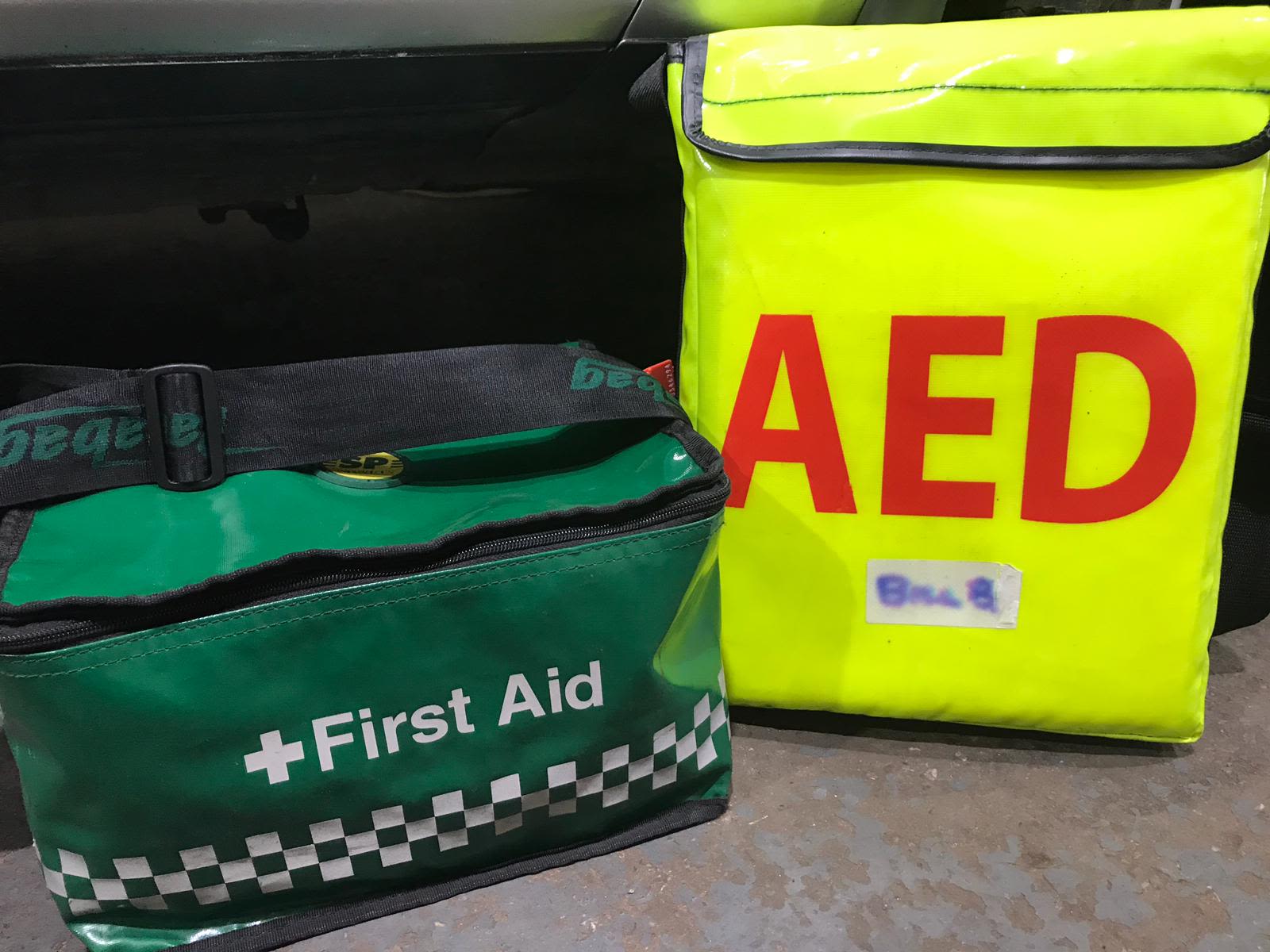


Throughout specific areas of the venue, there are well-stocked First Aid kits available in prominent, easily accessible locations. The First Aid kits are located at:
- Back of House - each floor
- Security office (in the loading bay)
List of first aiders are displayed around the venue.
If you use any of the consumables within the First Aid kits, please advise One Marylebone staff, so that the kit can be restocked.
A&E DEPARTMENT
The nearest hospital with an operational A&E Department is approximately 1 mile away and is detailed below
University College Hospital
235 Euston Road
London, NW1 2BU
Tel: 01325 380100
Reporting
The following events are to be reported to a member of the One Marylebone team:
- Accidents
- Incidents
- Fire
- Property Damage
- Theft
In most cases you will be asked for personal information.
Section 6
Security Arrangements




SECURITY ARRANGEMENTS
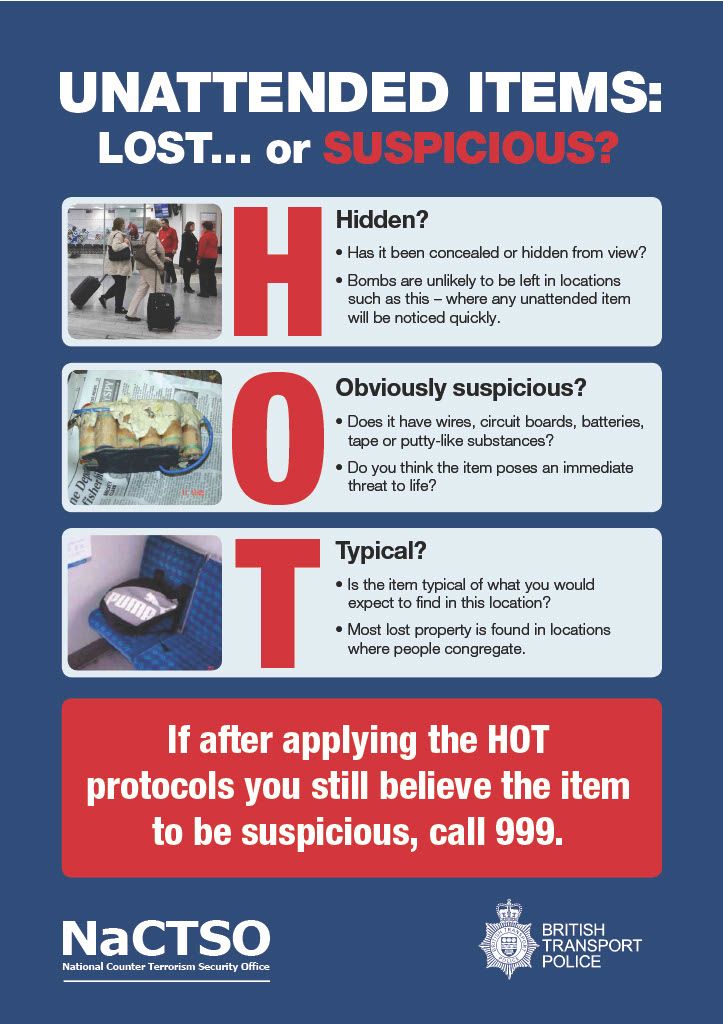
Please recognise that we are all experts in our workplace, and we are ideally placed to spot when something is amiss.
In periods of heightened alert, it is vital to remain vigilant, trust your instincts and report any suspicious behaviour to your Line Manager and / or the venue management team immediately.
If you find something that appears to be unattended:
Ask everyone close by if they own the article
Tell a member of the security team so they can quickly investigate the article.
Do not use your phone or a radio within a radius of 20m
Call the police on 999 / 911/112 (the latter two are redirected to 999)
Section 7
Stay Safe Principles

The purpose of these procedures is to provide information on how to respond to an armed attacker or hostage situation that may occur at any time.
It is of the utmost importance that no staff risk injury to themselves or others or to try to end the situation. Staff are to cooperate as much as possible without putting themselves in further danger.
The ‘Stay Safe’ principles (Run, Hide, Tell) provide some simple actions to consider at an incident and the information that the Police will need in the event of a firearms or weapons attack.


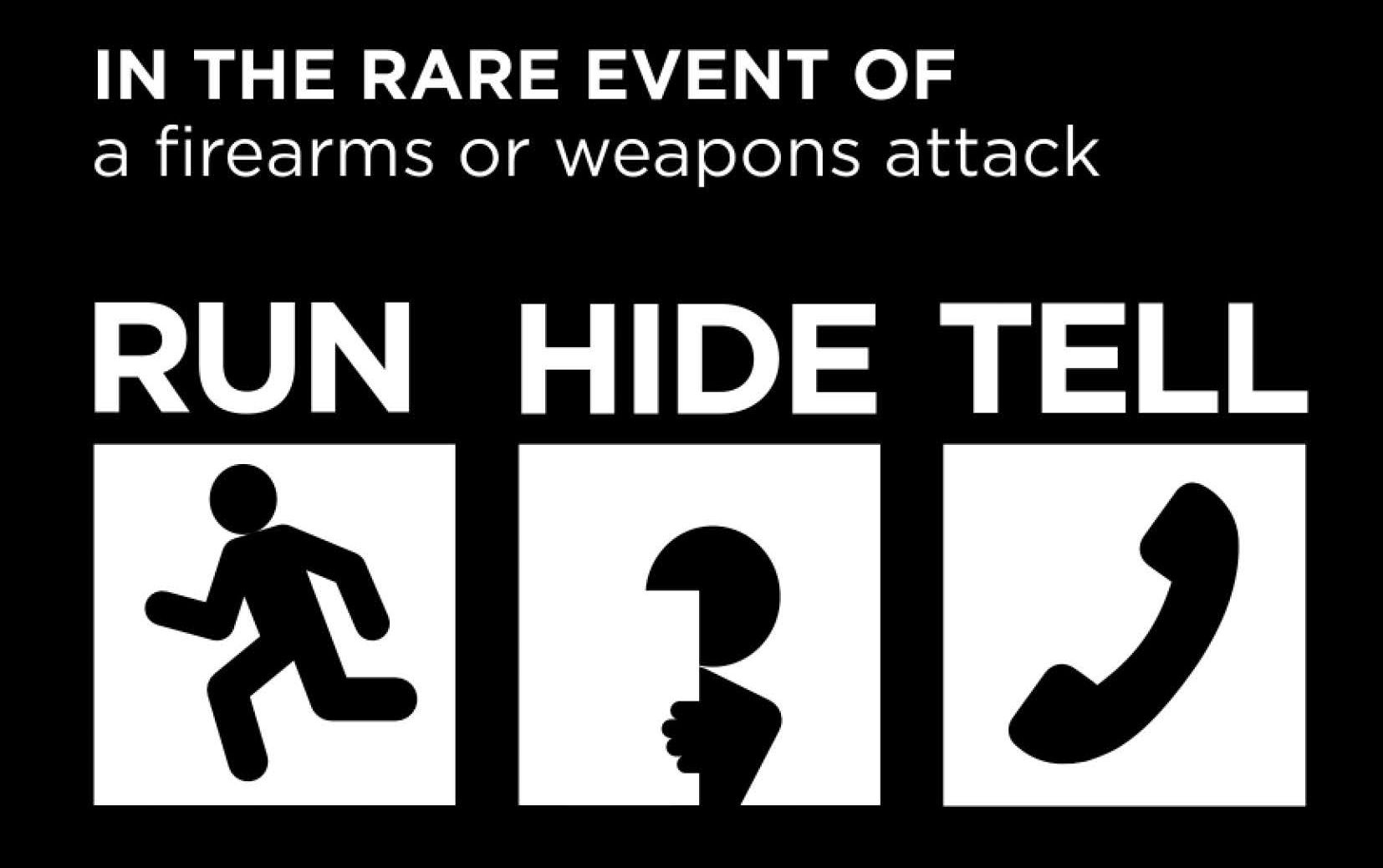





RUN
- to a place of safety
- this is far better option than to surrender or negotiate
- if there's nowhere to go, then...
HIDE
- It’s better to hide than to confront.
- Remember to turn your phone to silent and turn off vibrate.
- Barricade yourself in if you can.
- Then finally and only when it is safe to do so…
TELL
Call 999 on an internal or mobile phone
What do the local police need to know?
- Location – Where are the suspects?
- Direction – Where did you last see the suspects?
Section 8
Operational Rules and Regulations Agreement for Approved Contractors


- Before the event build can commence, Contractors must brief all staff regarding which areas of One Marylebone are accessible and which are out of bounds. Evacuation procedures (which are included in the H&S accreditation) should also be reminded whilst on site
- The Contractor is responsible for knowing where their staff are at all times and for ensuring that staff do not misuse or damage the building and its property.
- There is a staff / Contractor area for leaving coats and bags – access is via the security building in the loading bay. Please ensure that items are either left here or on your person, as it is not acceptable to leave coats and bags unattended / hanging on the building’s fittings in the event space or back of house. One Events can provide lockers to secure valuable items – managers should speak to Venue Manager on site to request locker/s.
- There is a shared staff area located on the North Mezzanine, which is accessible from either the Ground Floor event space or via the loading bay. This area is for all Contractors to use when on a break. We encourage contractors to use this area when eating food. There should be no eating within the event spaces.
- Please note that when using this area staff could be mixing with staff from other events in the building (although the Contractor should make sure they enter / exit following allocated routes). We expect those using this area to leave it as found and throw away any items in the bins provided.
- All staff must sign out at the loading bay exit before leaving the venue (whether for a break or end of shift) – there should be no use of other exits to leave the site.
Contractors' Staf
One Marylebone requires that one member of the Approved Contractor’s management team, or the most senior person in the team who is on site, will have a thorough understanding of this document and will manage all their staff to ensure they adhere to all rules and regulations.
The Contractor is responsible for ensuring that all staff are smart, clean, tidy and that a high standard of hygiene and presentation is achieved by each member of the team. In particular, the Contractor must ensure that there is consistency of style and standard at an event.
All staff who wish to smoke must do so ONLY in the areas indicated in the loading bay and must use the receptacles provided. Staff should wash their hands immediately after.
Staff toilets are located off the loading bay, unless directed elsewhere.
No staff working at an event are to consume alcohol anywhere on site. Any Contractors or their staff who seem to be under the influence of alcohol will be asked to leave site immediately. In this event, One Events will not accept any liability for the failure of the Contractor to fulfil their service.
Movement by the Contractors and their staff shall be limited to the rooms or areas in which they will be carrying out work and the specified access routes to and from these areas.
The Lift is not to be used by any Contractors.
Overall Standards for all Contractors
All accidents, injuries and ill health must be reported to the One Marylebone Venue Manager and recorded with the appropriate accident form.
No hot works are allowed within One Marylebone.
The Contractor must ensure adequate first aid provision is made for its staff during the build, breakdown and event itself.
All rubbish and packaging (including food waste and bottles) must be removed from site by the Contractor. If waste is left on site, additional charges will be incurred by The Hirer unless evidence proves a specific contractor was responsible.
No gas is permitted within the building. Flambeaux are only permitted to be used at the external entrance, with appropriate RAMS provided.
No tape of any kind should be used on floors or walls and no nails or screws should be attached to the building’s fabric in any way.
All equipment brought into One Marylebone must be delivered and collected during the Hirer’s access times. No equipment should be left - failure to do so may result in large emergency charges being applied.
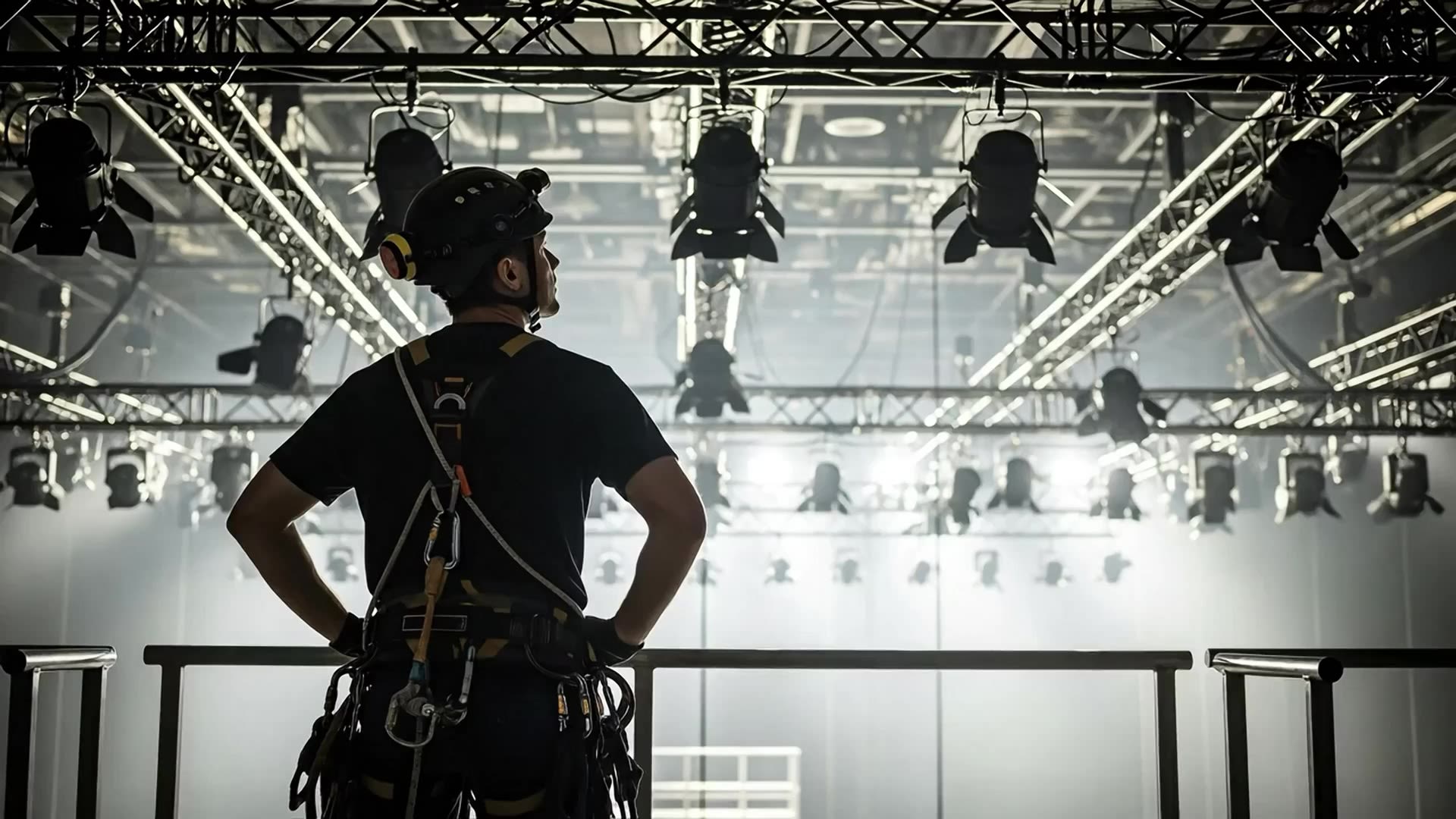
Working at heights – All contractors must adhere to The Work at Height Regulations 2005. All contractors must provide their own stepladders.
No contractor should ever stand on flight cases to reach a height.
If Contractors do not bring in the correct equipment as stated in this document and / or the agreed Method Statement, they may not be able to carry out specific tasks and One Events can take no responsibility for this lack of service.
One Marylebone may stock certain items that the Contractor can purchase on site to fulfil its obligations, but these should not be relied on.
All equipment is to be lifted and never dragged along the floor or down the stairs.
All items should be placed directly on the floor and not rested on walls, stairs, or columns. Some floors may require protection before items may be placed upon them. The bottom and / or feet of all metal items must be foam or rubber tipped to avoid scratching the floors. Any items that pose a risk of damage to floors will not be accepted.
Any damage or spillage should be dealt with by the Contractor or if found, must be reported immediately to the One Marylebone team members on duty.
All electrical equipment must have a current PAT test certificate and is subject to spot checks by One Marylebone.
Items should be carried below shoulder height irrespective of scale, shape or weight.
Doors should be opened using their handles / hardware and never pushed open using the foot or article being carried / pushed
Items larger than 1.5m must be carried by two people.
The One Marylebone Venue Manager and / or Events Manager has the authority to enforce the conditions for the safe delivery of the event in One Marylebone.
Specific Operational Standards for Catering Contractors
A representative from the caterer must be on site to receive all deliveries and manage collections. No goods will be accepted by One Marylebone at any other time.
Any exposed hot surfaces must have the appropriate warning signs.
No gas is permitted within One Marylebone.
Deep fat fryers are not permitted within One Marylebone. There is an option for the caterer to use the ‘designated area’ in the loading bay for this. In such circumstances the venue can provide power distribution (starting at £200 + vat). This arrangement needs to be pre agreed with both One Marylebone and Hirer and / or caterer. It is suggested that a gazebo is constructed when frying externally, with at least one side open. The structure must be secured with the appropriate weights.
No additional electrical equipment should be brought into the kitchen without being pre agreed with One Marylebone. The power in the kitchen is sufficient for the equipment in situ.
Function chairs must not be stacked more than 5 high when being moved inside One Marylebone
Trays of glasses may not be carried up and down the staircase, but the use of suspension trays is permitted for this purpose. Cleared glasses should be placed into boxes before being carried on the stairs.
Drop tables should be provided at exit(s) so guests do not take drinks outside – these tables should be regularly cleared so there is no build up.
All rubbish and packaging (including food waste and bottles) must be removed from site by the Contractor. If waste is left on site, additional charges will be incurred by The Hirer unless evidence proves a specific contractor was responsible.
Slops containers must be fully waterproof and should have lids to avoid spillages. They should not be filled more than two thirds high, to avoid spillage on the stairs.
The kitchen and its equipment must be left clean and tidy at the end of the event. All equipment is to be cleaned by the Contractor, including the surfaces and floor. The catering manager is to report to the appointed One Marylebone contact at the end of the pack-down for a final check before departure and to report any problems with equipment.
Waterproof drugget must be installed wherever liquid is located (except purpose-built kitchen areas). Drugget must extend under the object and beyond that is deemed necessary by One Marylebone for maximum protection.
The caterer should provide the Venue Manager and possibly one other senior member the same menu that guests are receiving. This is to ensure that One Marylebone is happy with the quality of food being provided in relation to its reputation. A venue representative will be in touch to confirm if necessary, on an event by event basis.
Specific Operational Standards for Production & Lighting, set and scenery and furniture
Any painting or cutting of set / equipment etc must be completed at a minimum of 3ft off the floor and the floor area underneath must be protected.
The maximum weight loading in The Soane Hall and Galleries is 250 kilos per square meter. In some circumstances we will need specific details as to how weight is being distributed.
All metal equipment that makes contact with the floor, must have rubber or foam footing attachments to avoid scratching the floors.
Complete the induction
Now you have read the content, please click the button below to complete your induction questions and submission.


 Built with Shorthand